Reflections from the 10th EMES International Research Network Conference
The 10th EMES International Research Network Conference may have concluded, but the discussions, insights, and connections it sparked are still resonating. For the ASSETS project, the event offered an excellent opportunity to engage with leading research on the social economy and to exchange perspectives with colleagues from across Europe.
Impact Assessment in the Social Economy
A key moment for the consortium was the presentation by partners at the İzmir Institute of Technology (IZTECH). Their paper, “Evaluating Impact in the Social Economy: A Comparative Analysis of Assessment Methodologies,” explored major tools used to assess social impact — including SROI, CBA, IRIS+, and Theory of Change.
By comparing these approaches, the study highlights how assessment frameworks can better capture the diverse realities and missions of Social Economy Organisations. This research directly supports ASSETS’ work to strengthen evidence-based practices and improve the capacity of organisations to demonstrate and enhance their societal impact.
Social Enterprises as Catalysts for Rural Transformation
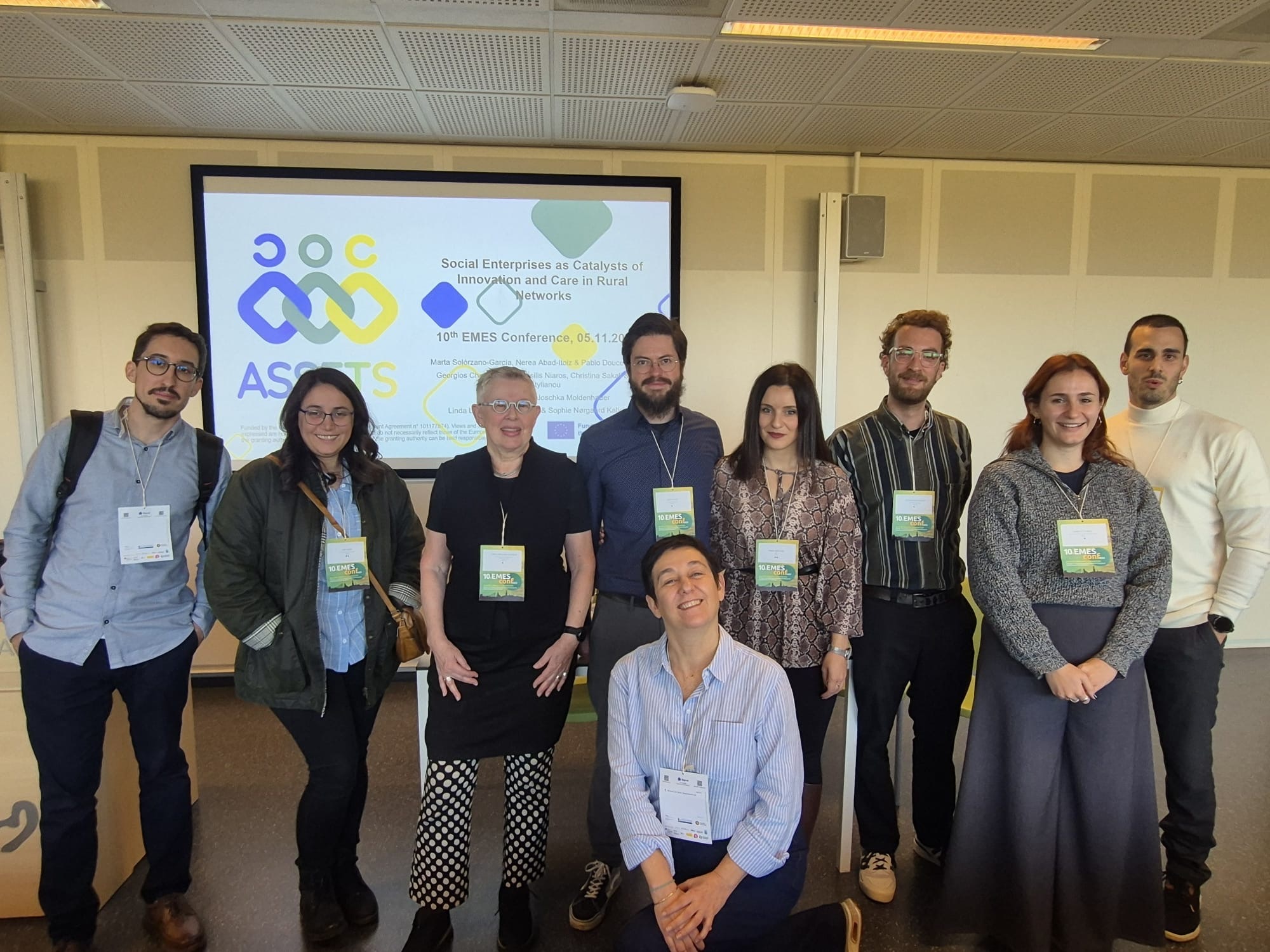
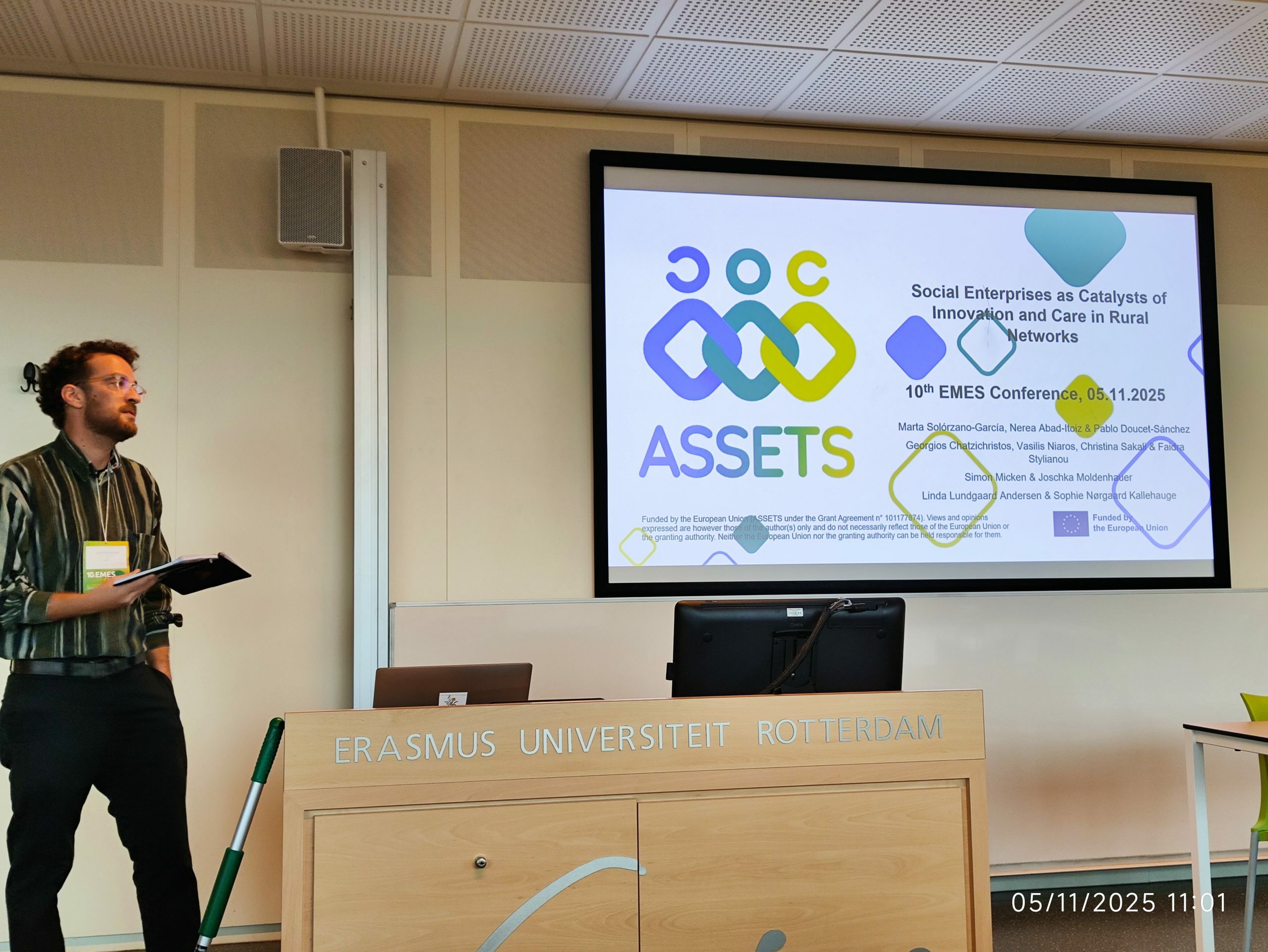
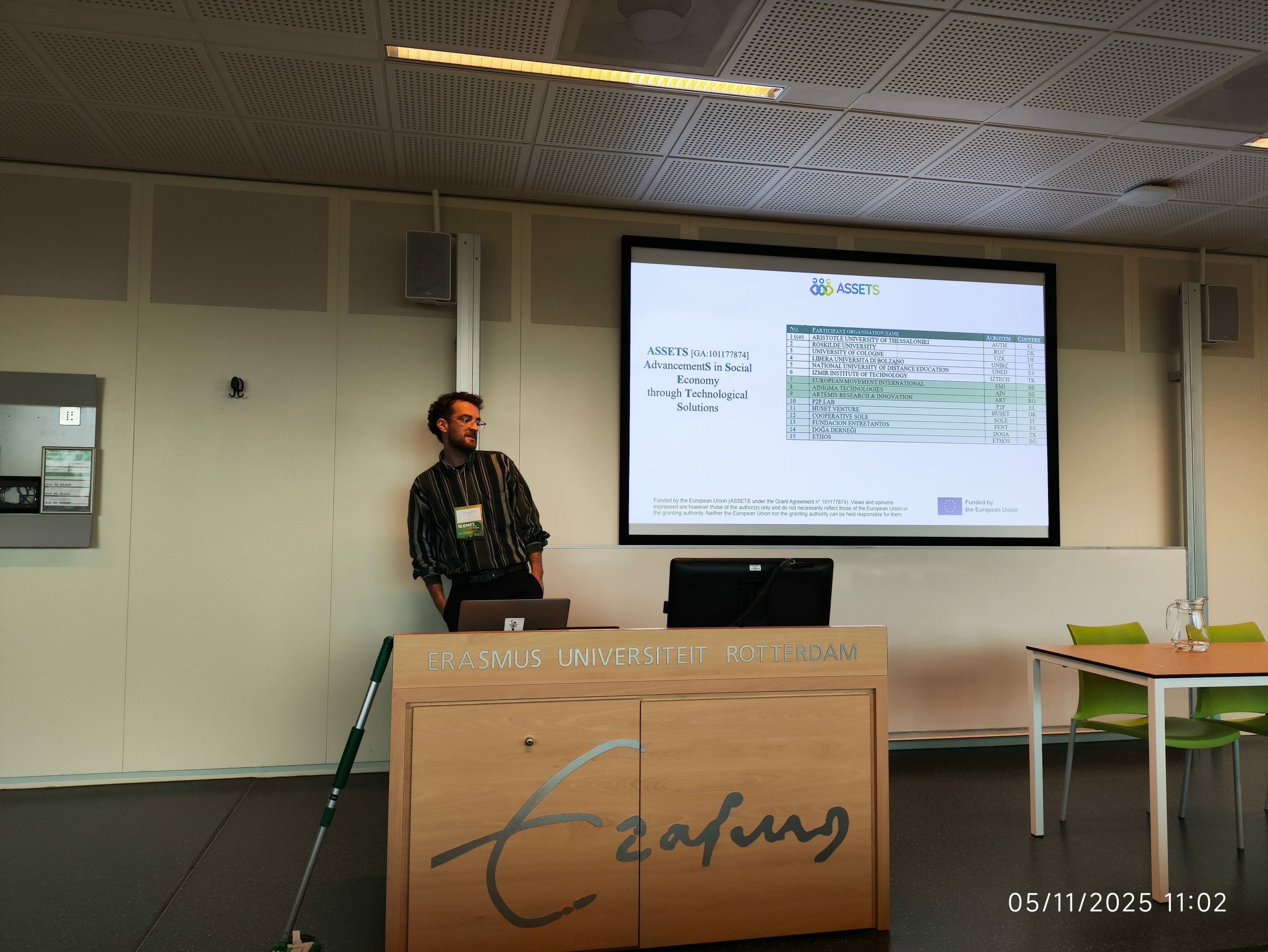
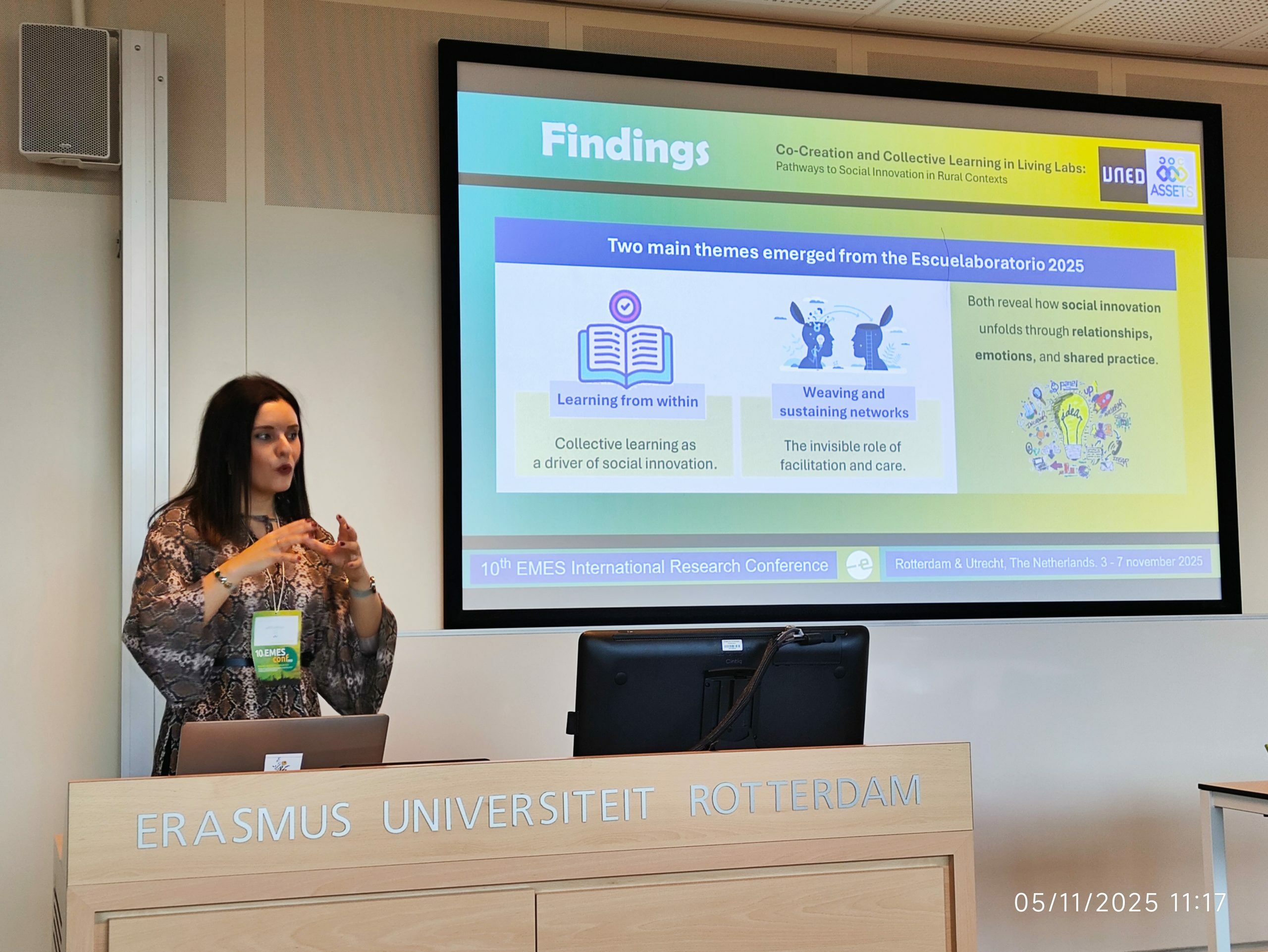
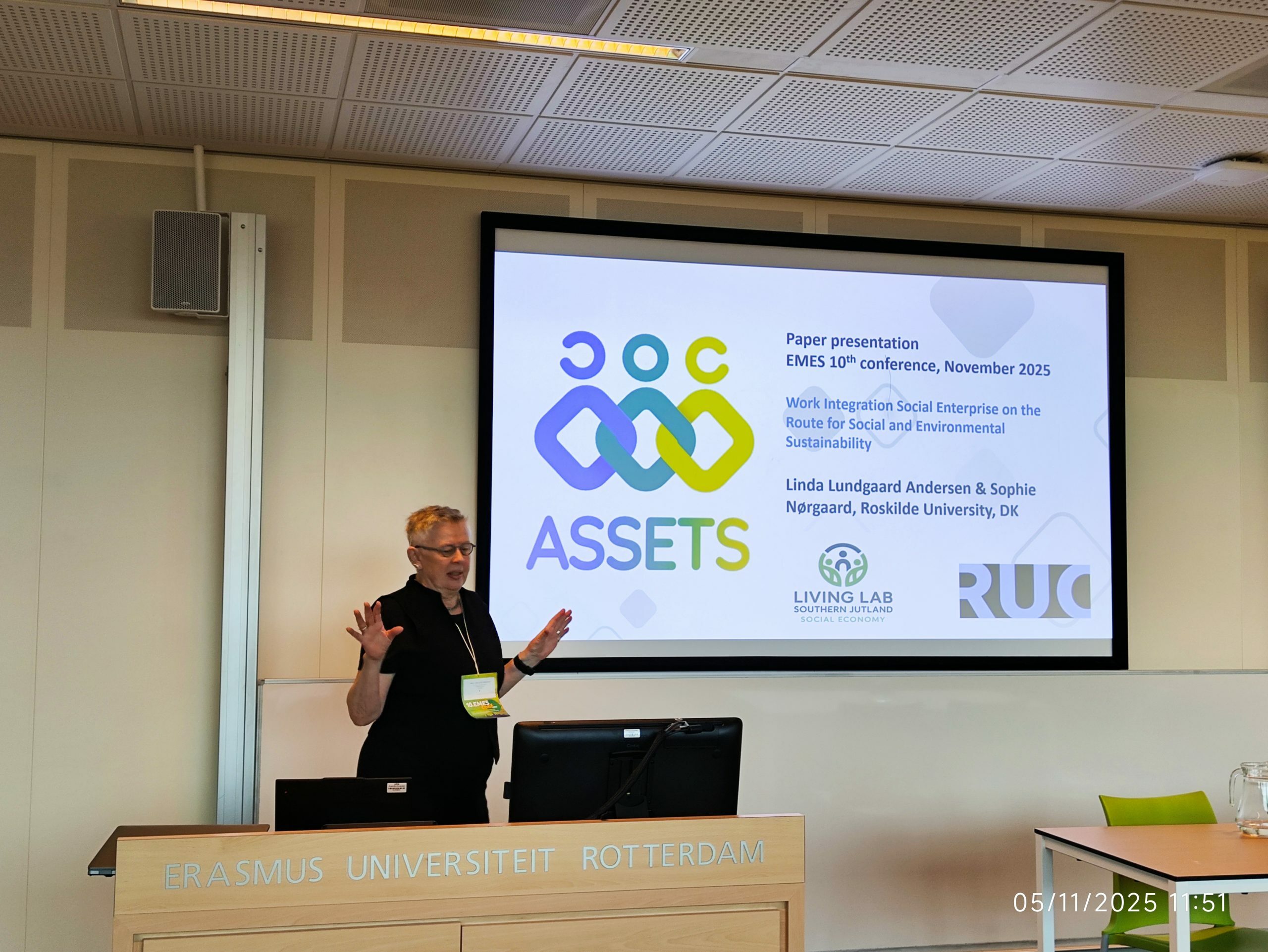
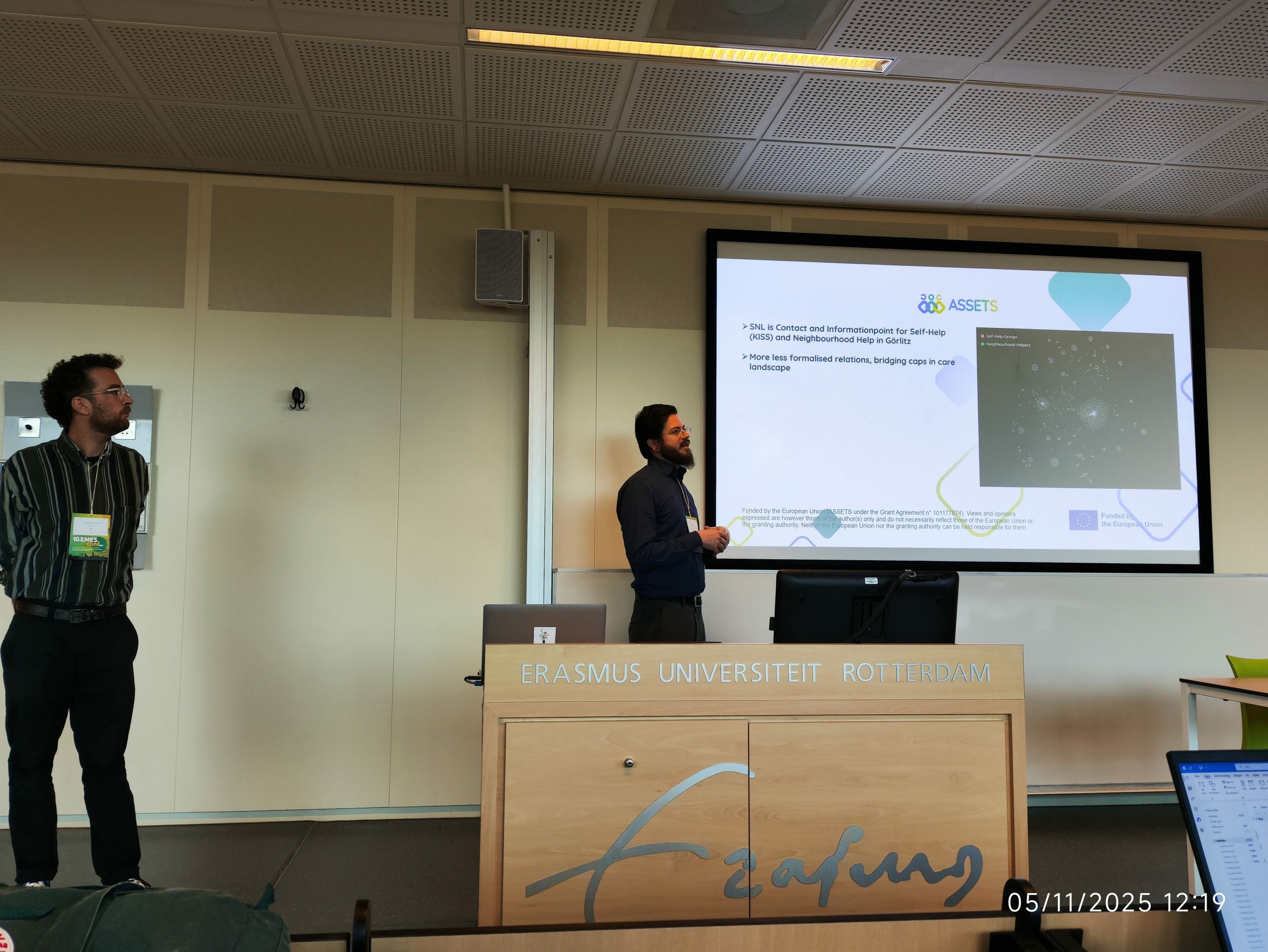
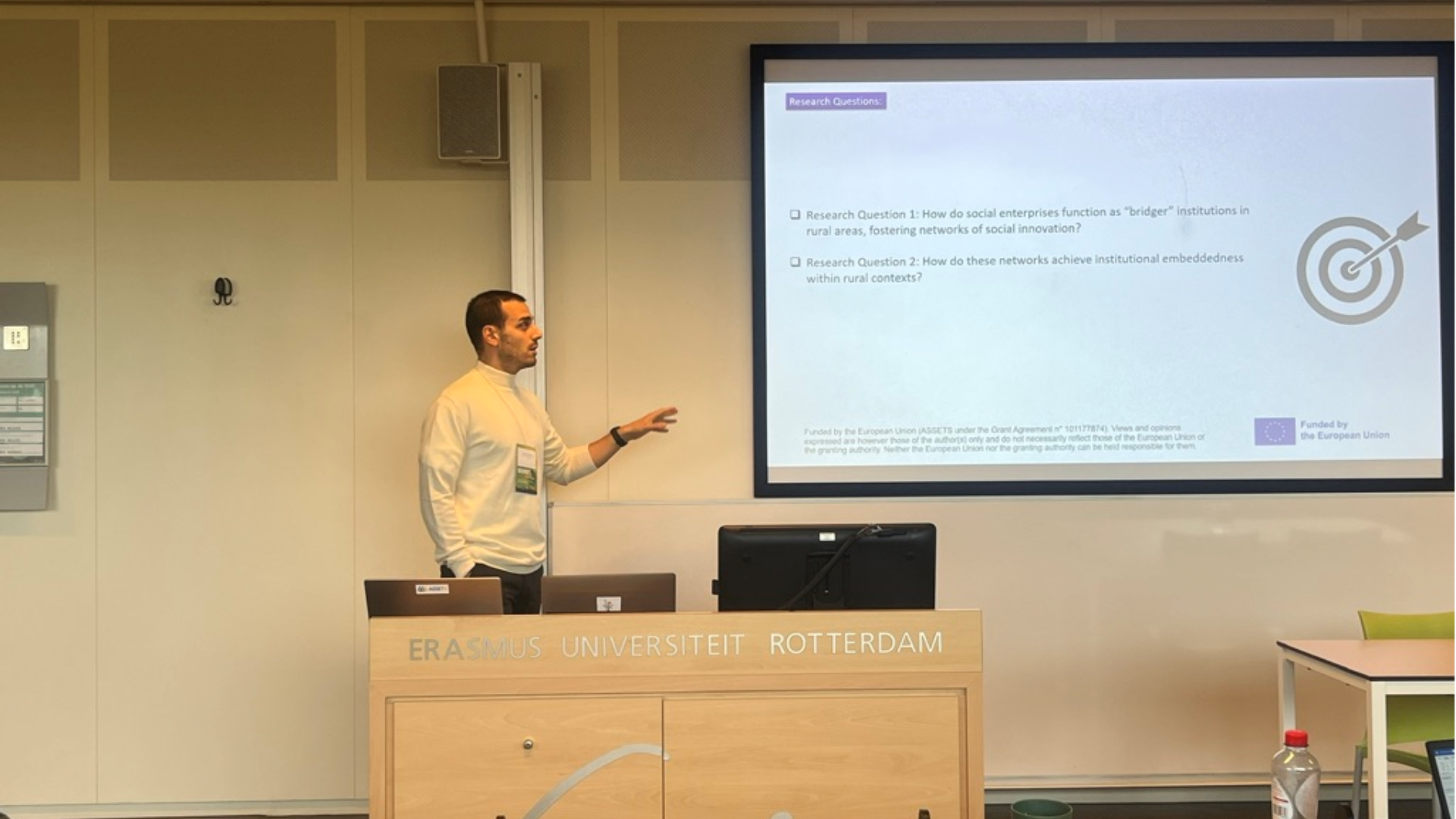
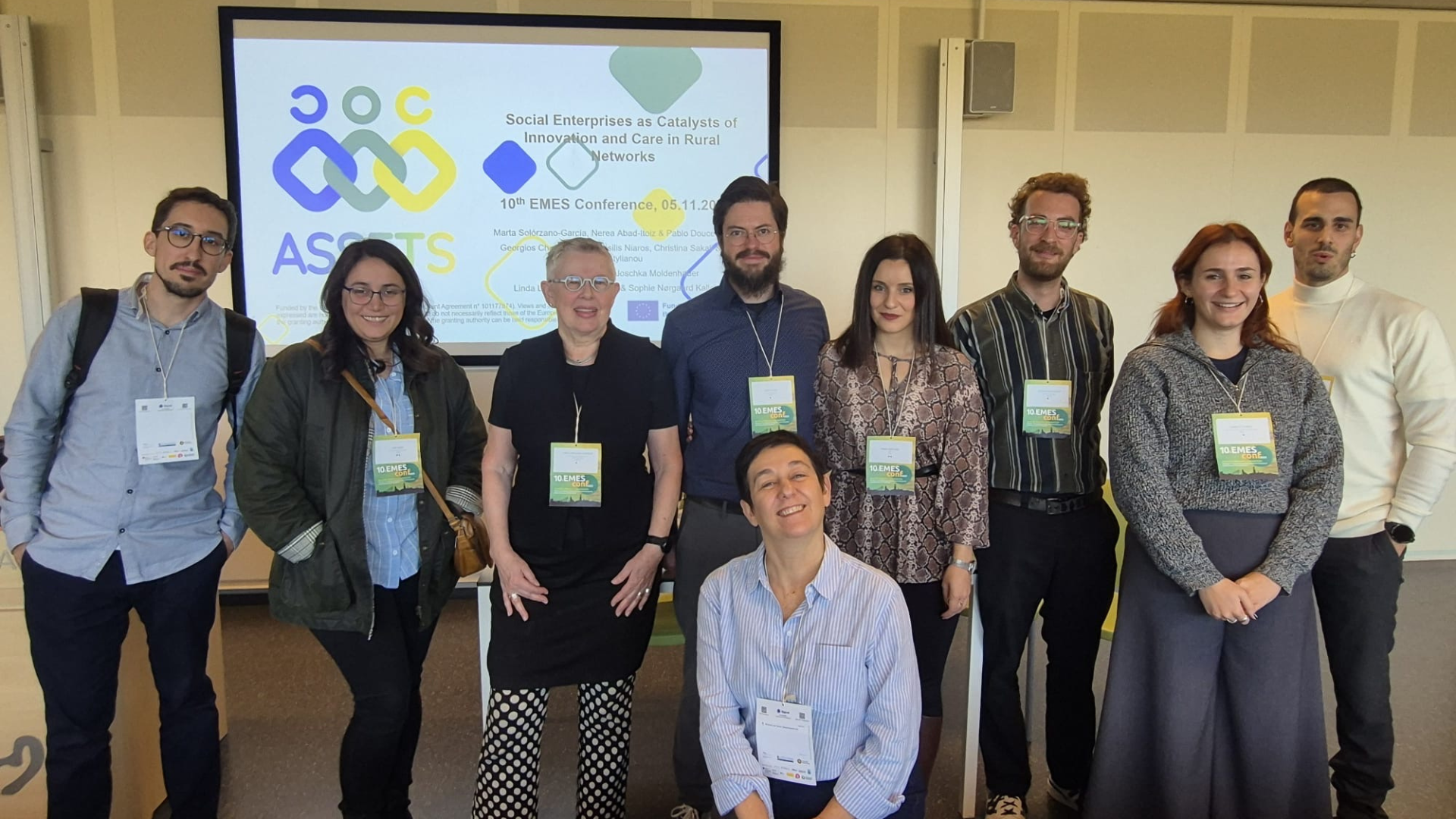
Another significant highlight was the panel “Social Enterprises as Catalysts of Innovation and Care in Rural Networks,” organised by the University of Cologne. Alongside colleagues from P2P Lab, UNED, Soziales Netzwerk Lausitz gGmbH, Huset Venture, and Aristotle University of Thessaloniki (AUTH), participants explored how social enterprises function as intermediaries, connectors, and innovation brokers within rural regions.
Drawing on case studies from Greece, Spain, Germany, and Denmark, the discussion demonstrated how socially rooted enterprises can strengthen social inclusion, build community infrastructures of care, create quality jobs, and support sustainable regional development. Contributions from ASSETS research also highlighted the role of social enterprises in driving local transitions and supporting community resilience.
Conclusion
Overall, the exchanges at EMES underscored a shared understanding: the social economy’s strength lies in its diversity, its rootedness in local communities, and its capacity to drive inclusive and sustainable transitions. From refining impact assessment methodologies to illustrating the transformative potential of social enterprises in rural contexts, the conference reaffirmed the value of collaborative, evidence-based approaches in unlocking the sector’s full potential.
These insights will continue to inform the ASSETS project as it supports Social Economy Organisations across Europe in amplifying their impact.